Massage Guns: Are They Worth It?
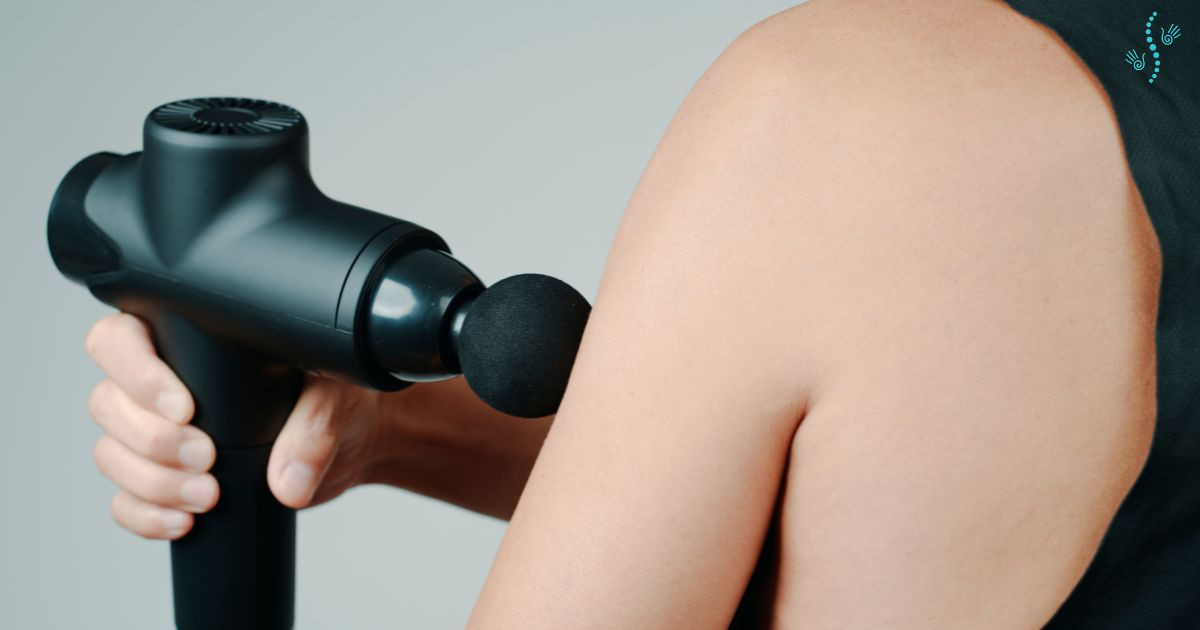
Massage guns have become increasingly popular over the last few years, marketed as a quick and easy solution for tight muscles, soreness, and recovery. From athletes to office workers, many people now own a handheld percussion device and use it regularly at home or in the gym. While massage guns can absolutely have a place in managing muscle discomfort and helping people feel better temporarily, they are often misunderstood as a replacement for hands-on therapy or a long-term solution to pain and injury.
As osteopaths, it's important to understand both the benefits and limitations of these devices.
What Do Massage Guns Actually Do?
Massage guns work by delivering rapid pulses or vibrations into soft tissues. This stimulation can temporarily reduce feelings of tension, soreness, or stiffness. One of the main reasons they can feel effective is because they stimulate mechanoreceptors within the nervous system. Mechanoreceptors are sensory receptors located in muscles, fascia, tendons, and skin that respond to pressure, movement, and vibration. When stimulated, they can alter the nervous system's perception of pain and muscle tone.
In simple terms, massage guns can help "turn down the volume" on discomfort for a short period of time. They may improve local circulation, create a temporary feeling of looseness, and help people feel more comfortable moving. For some individuals, this can be useful before exercise, after training, or during periods of muscular tightness.
Can they Break Up Scar Tissue or Release Knots?
Despite common claims online and on social media, massage guns do not "break up scar tissue," "release knots," or physically remodel tissue structures in any significant way. Human tissue is incredibly strong and adaptable. The amount of force produced by a massage gun is nowhere near enough to structurally alter fascia, remove adhesions, or physically break down scar tissue. The sensation of release people experience is primarily neurological rather than structural.
This distinction is important because pain and stiffness are complex experiences influenced heavily by the nervous system. Feeling better after using a massage gun does not necessarily mean an underlying issue has been corrected.
Do Massage Guns Prevent Injury?
Massage guns also do not prevent injury. While they may help someone feel more warmed up or relaxed, injury prevention is multifactorial and involves appropriate training load, strength, recovery, sleep, movement habits, and overall conditioning. Relying solely on a massage gun while ignoring these wider factors is unlikely to reduce injury risk in the long term.
Another limitation is that massage guns are non-specific. They cannot assess why pain is occurring, identify movement compensations, or adapt treatment based on the individual. This is where osteopathic treatment differs significantly.
Massage Guns vs Hands-On Osteopathic Treatment
Hands-on osteopathic care involves a detailed assessment of how the body is functioning as a whole. Osteopaths use clinical reasoning, movement analysis, and hands-on examination to identify contributing factors behind pain or dysfunction. Treatment may include soft tissue work, joint articulation, rehabilitation exercises, strength work, education, and advice tailored specifically to the patient.
Importantly, osteopathic treatment is not simply about "releasing muscles." It aims to address the wider mechanical, lifestyle, and functional contributors to pain while helping patients build resilience and long-term capacity.
When to Seek Professional Treatment for Pain
Massage guns can certainly be a helpful short-term tool for symptom relief or recovery, but they should be viewed as one small part of a much bigger picture. Persistent pain, recurring injuries, or ongoing movement limitations often require a more comprehensive approach than vibration alone can provide.
Ultimately, lasting improvements usually come from understanding the cause of the problem, improving movement and strength, and supporting the body's ability to adapt over time — rather than simply chasing temporary relief.

